
Our Mission
Our mission isn't simply to prevent crisis. It's to create a culture where fewer men ever have to reach one.
The Unarmored Men Project exists to close the gap between struggling and seeking support.
For too long, too many men have believed they have only two choices: carry the weight alone or wait until life becomes unbearable before asking for help. We fundamentally reject that belief. The Unarmored Men Project exists because there is another way—one where asking for help is seen as strength, connection comes before crisis, and no man has to suffer in silence.
We're building a community where men can find connection before isolation, conversation before crisis, and encouragement before they believe they're out of options. Through peer support, honest dialogue, education, and trusted resources, we're helping men take the first step toward support while preserving the dignity and self-worth that so often keep them from reaching out.
We don't replace therapists, counselors, or clinical care. We help make those conversations possible by creating a place where asking for help feels less intimidating, more accessible, and never something to be ashamed of.
Because changing men's mental health doesn't begin in a crisis—it begins long before one.
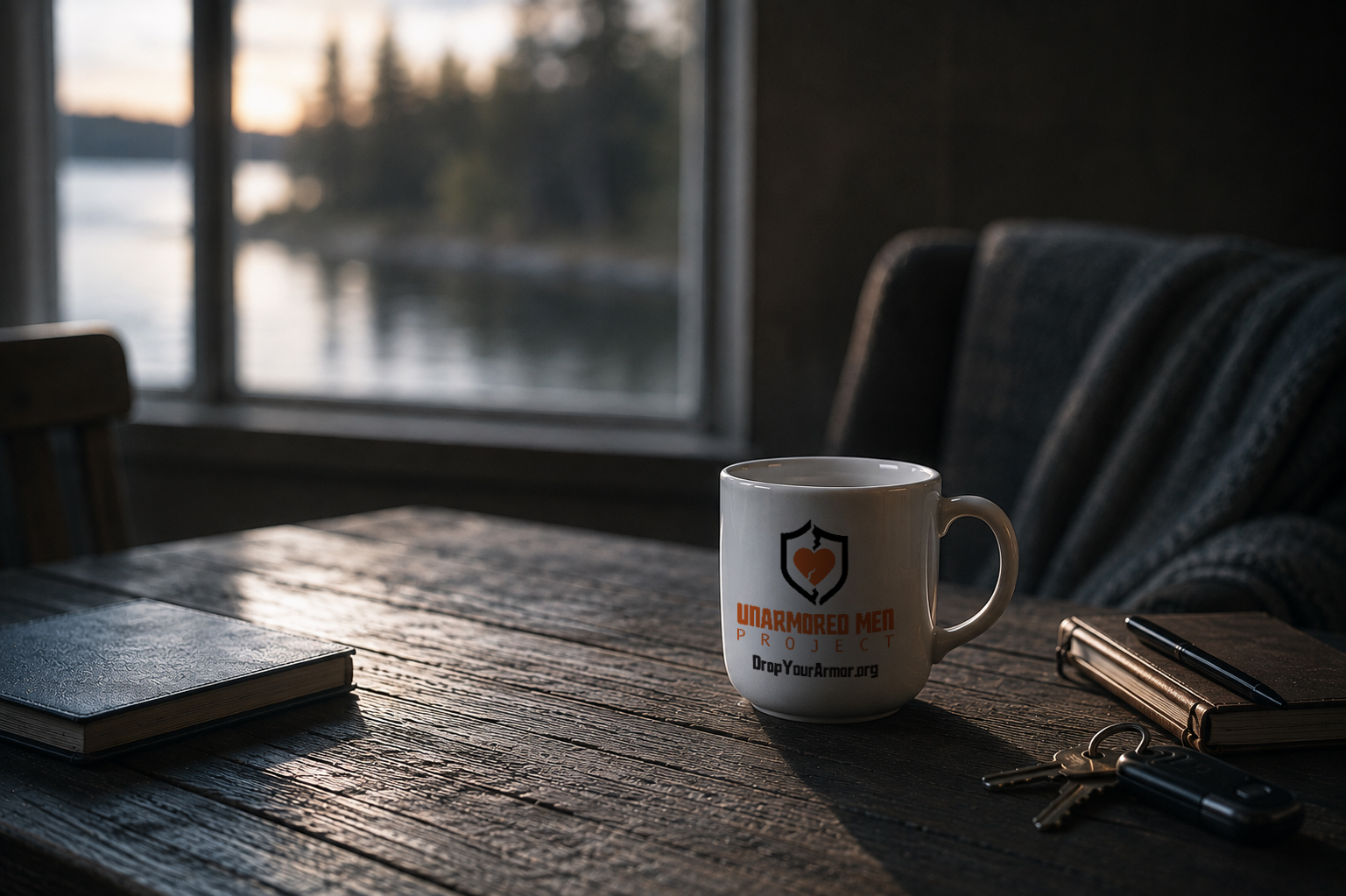
The story of the mug
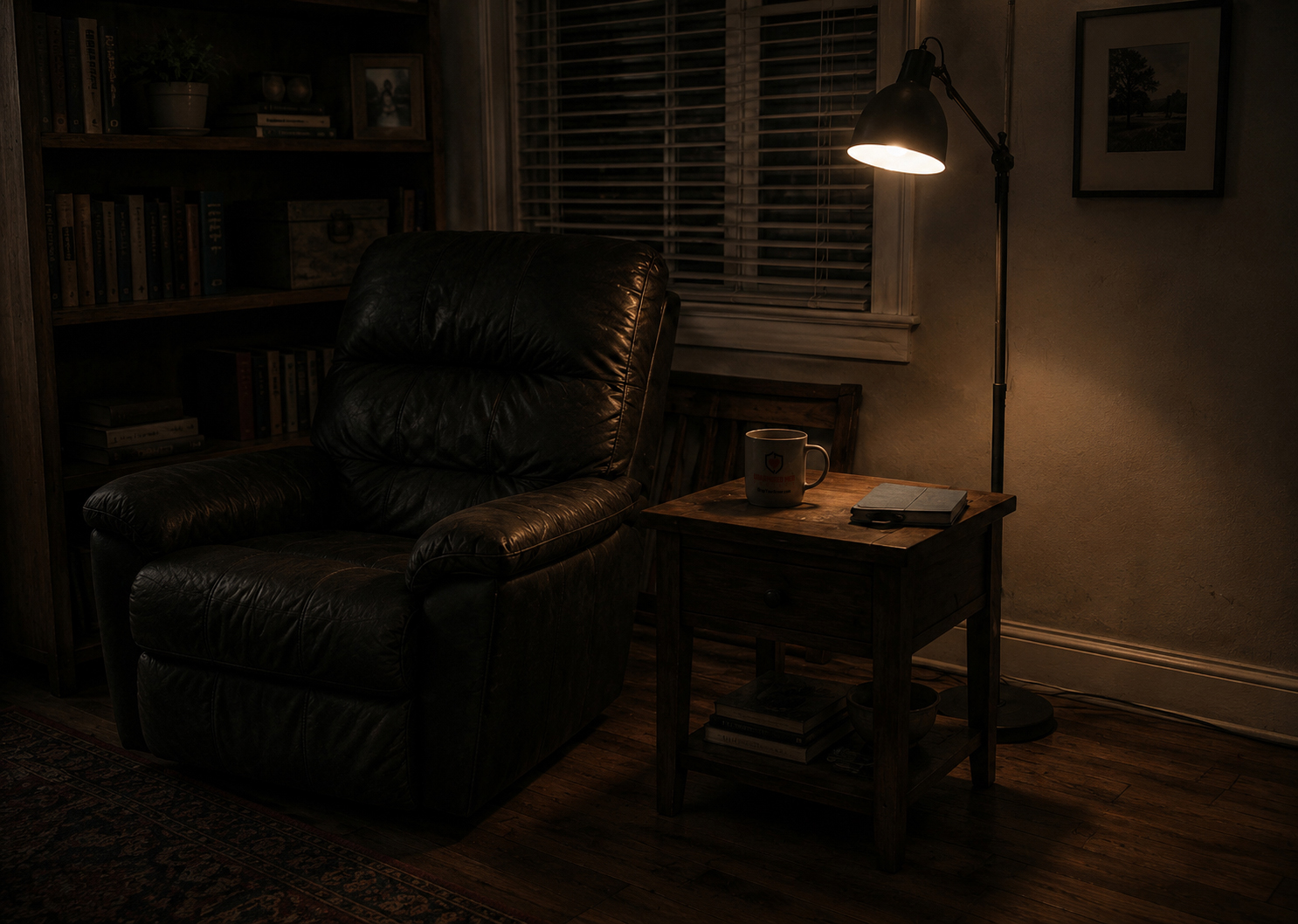
The room is quiet. A white mug sits untouched, its coffee long gone cold.
Someone should be there.
That’s what the mug represents—someone missing from the conversation. A man carrying more than anyone knew. But it represents something else, too: an open seat. A reminder that there’s still time to show up, start talking, and make sure fewer mugs are left empty.
Founder's letter
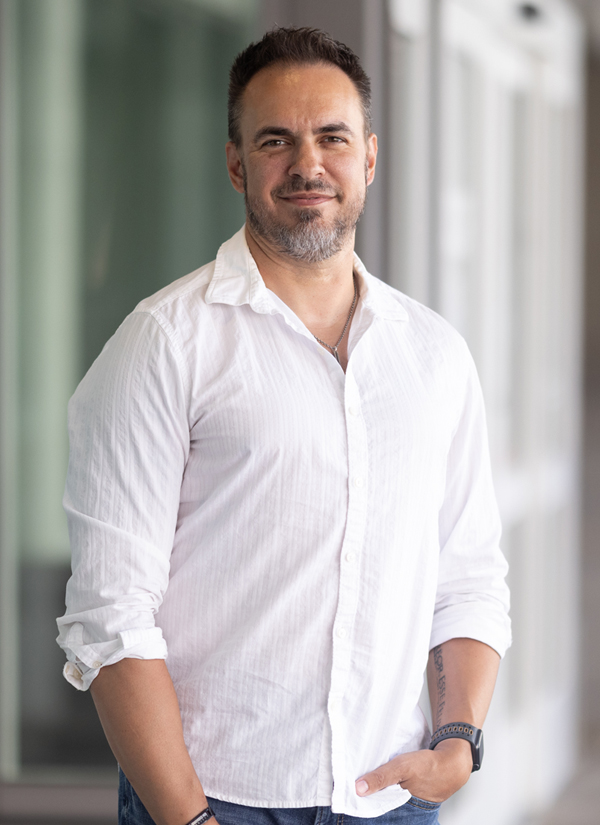
Dan Burdeski
Founder, The Unarmored Men Project
When people hear about The Unarmored Men Project, they assume it started with a mission.
It didn’t.
It started with me waking up most mornings already bracing for the day before it began. That quiet internal sigh. Not because anything specific was wrong, but because I was already tired before I started. I wasn’t really building a life anymore—I was trying not to fall behind in it.
Not thriving. Not improving. Just not drowning. Being satisfied with not drowning.
I was expected to bring solutions, not problems. And over time—especially through a painful divorce and everything that came with it—I think I started to believe that even more deeply. That my value came from what I could hold together for other people, not from what I was carrying inside myself.
So I carried it. Quietly. Consistently. Without making it anyone else’s issue. Until it felt normal.
Then I started noticing something I couldn’t ignore. Other men had the same look. The same tired presence. The same smile that didn’t quite match what was underneath it. The same sense that we were all managing more than we were saying out loud. And I kept asking myself why asking for help felt like failure.
One morning while walking my dog, something shifted. I kept thinking about how long this had been going on—how many men were carrying the same thing quietly, like it was just part of life. And I realized I had been waiting for someone else to fix it. Not because I thought people didn’t care. But because nothing was actually changing. At some point it just hit me: this can’t just be how it is. I wasn’t thinking about building anything at that moment. I just remember not being able to sit with it the same way anymore.
Around that same time, I had a phrase tattooed on my forearm as a reminder to myself:
Mereor esse felix.
I deserve to be happy.
Not because I earned it. Not because things got easier. But because I am human. Because my value was never supposed to depend on what I could carry for other people. And if that’s true for me, then it’s true for every man who has been taught—directly or indirectly—that his worth is measured by what he can hold together, endure, or provide.
That belief is what The Unarmored Men Project exists to challenge. Not by asking men to become different. But by giving them somewhere they don’t have to keep being only what they can carry.
That's it.
That’s the work.
The people behind the mission
The Board of Directors
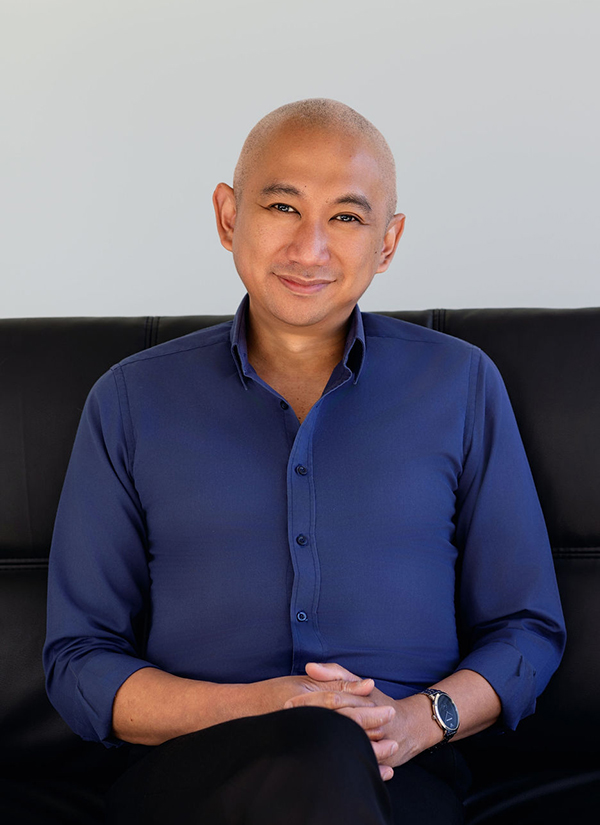
JC Chipeco, MA, LPCCi
Board Chair
Counselor, Discovery Mental Health
I chose to be part of the Unarmored Men Project because I believe men's mental health is an often neglected and misunderstood area that we need to address more directly. As a male psychotherapist who sees a lot of male clients, I've seen firsthand how the toxic masculine messages we've received as men have led to dire consequences—from substance abuse to suicide—while being told that to seek help is a sign of weakness. I believe in the Unarmored Men Project and I am honored to be part of its mission and its vision.
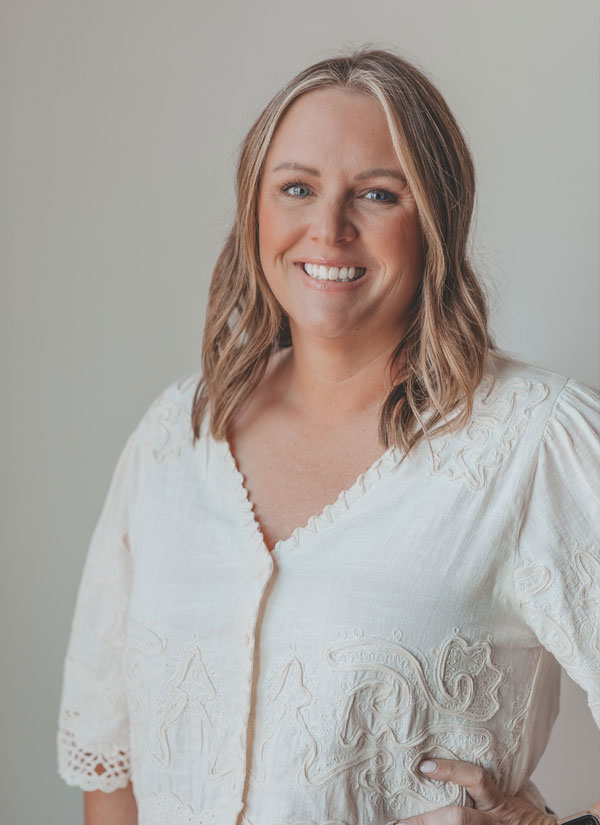
Kate Proulx
Treasurer
Joining the Unarmored Men Project is deeply personal to me. Mental health has always been something I care about, but it became much more than a cause after I lost my dad to suicide. That loss changed the way I see the importance of connection, vulnerability, and making sure people know they don’t have to struggle alone.
I chose to be part of the Unarmored Men Project because I believe conversations about mental health can save lives. If sharing my story helps even one person feel seen, supported, or encourages them to ask for help, then it’s worth it. I’m honored to support an organization that is breaking down stigma, creating genuine connection, and reminding people that strength isn’t found in hiding our struggles—it’s found in having the courage to share them.
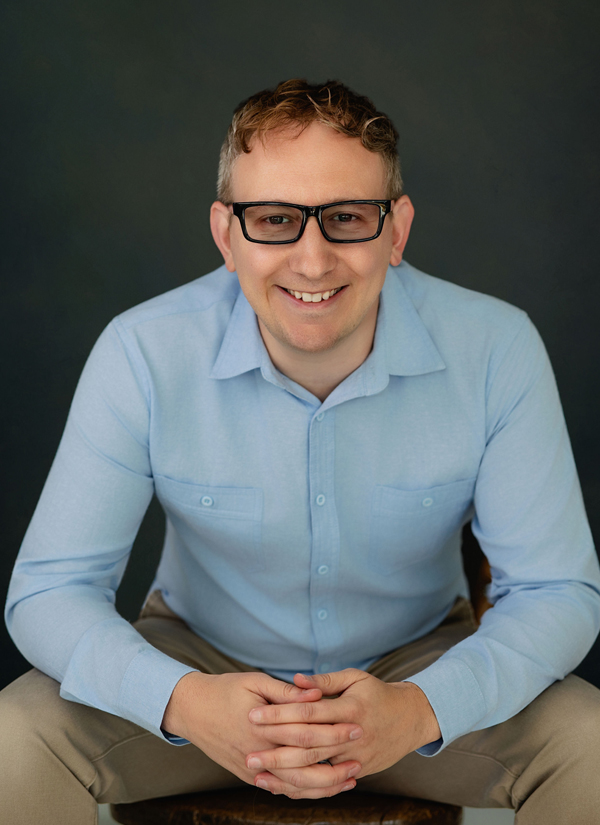
Ryan Plasch, MS, LPCC
Secretary
Counselor, Discovery Mental Health
I have been passionate about men's mental health advocacy since 2018 when I became a private practice therapist. I have been searching for opportunities to get involved as few resources are available to help men with their struggles. I have heard from many men who felt they slipped through the cracks of our society, either because they weren't informed or didn't know where to begin seeking help. I hope to raise awareness that there is a passionate organization looking to help with this longstanding problem in our community.